What Is Technical SEO? And Why It Matters for Local Businesses Too
Many local business owners are unfamiliar with technical SEO, yet it plays a vital role in ensuring a website is discoverable by search engines and easy to use for visitors. Technical SEO focuses on the structure and performance of a website rather than the content itself.
Even if your website has high-quality content, fast-growing social media engagement, or excellent products and services, poor technical SEO can limit its visibility. Ensuring your site is optimized technically helps search engines index your pages correctly, improves user experience, and increases your chances of appearing in local search results.
This guide explains technical SEO in simple language and provides actionable steps for local businesses to improve their online presence.
What Is Technical SEO and Do I Need It?
Technical SEO involves optimizing a website’s infrastructure so search engines can crawl, index, and rank it effectively. Unlike content SEO, which focuses on keywords and content strategy, technical SEO addresses the backend elements that support website performance and search visibility.
Local businesses should prioritize technical SEO because:
- Search engines need to access all your pages to display them in results
- Visitors expect fast-loading, easy-to-navigate websites
- Technical issues can reduce your site’s rankings, even with quality content
Business owners asking, “What is technical SEO and do I need it?” can confidently answer: Yes, technical SEO is necessary for both small and larger local businesses that want to maintain strong visibility online.
Key Components of Technical SEO
Technical SEO involves multiple elements that ensure your website functions efficiently and meets search engine standards. These include site speed, crawlability, mobile optimization, schema markup, structured data, and fixing technical errors.
1. Site Speed
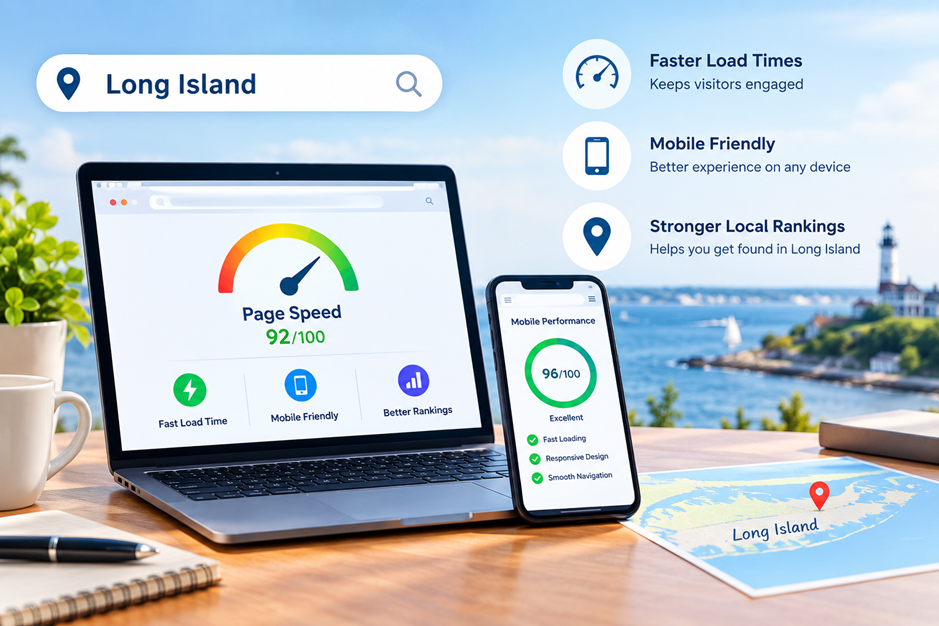
Site speed refers to how quickly a web page loads. Google considers site speed a ranking factor because slow-loading pages lead to poor user experiences.
For local businesses, a fast website can help:
- Reduce bounce rates
- Keep visitors engaged
- Increase the likelihood of conversions
Ways to improve site speed include:
- Compressing images and using modern formats like WebP
- Minimizing CSS and JavaScript files
- Leveraging browser caching and content delivery networks (CDNs)
- Choosing a reliable hosting service
Tools like Google PageSpeed Insights, GTmetrix, or Pingdom can identify issues and provide suggestions for improvement.
2. Crawlability
Crawlability determines how easily search engines can access your website’s pages. If search engines encounter issues crawling your site, important pages may not appear in search results.
To improve crawlability:
- Use a properly configured robots.txt file
- Submit an updated XML sitemap to search engines
- Avoid broken links and long redirect chains
- Check for duplicate pages and ensure canonical tags are used
Regular site audits help identify and fix crawlability issues that could impact rankings.
3. Mobile Optimization
With more than half of internet traffic coming from mobile devices, mobile optimization is critical. Google’s mobile-first indexing prioritizes the mobile version of your website when determining rankings.
Best practices for mobile optimization include:
- Implementing a responsive design that adjusts to all screen sizes
- Ensuring buttons and links are easy to tap
- Optimizing images and content for mobile viewing
- Minimizing page load time for mobile users
A mobile-friendly website not only improves search rankings but also enhances the overall user experience.
4. Schema Markup & Local Structured Data
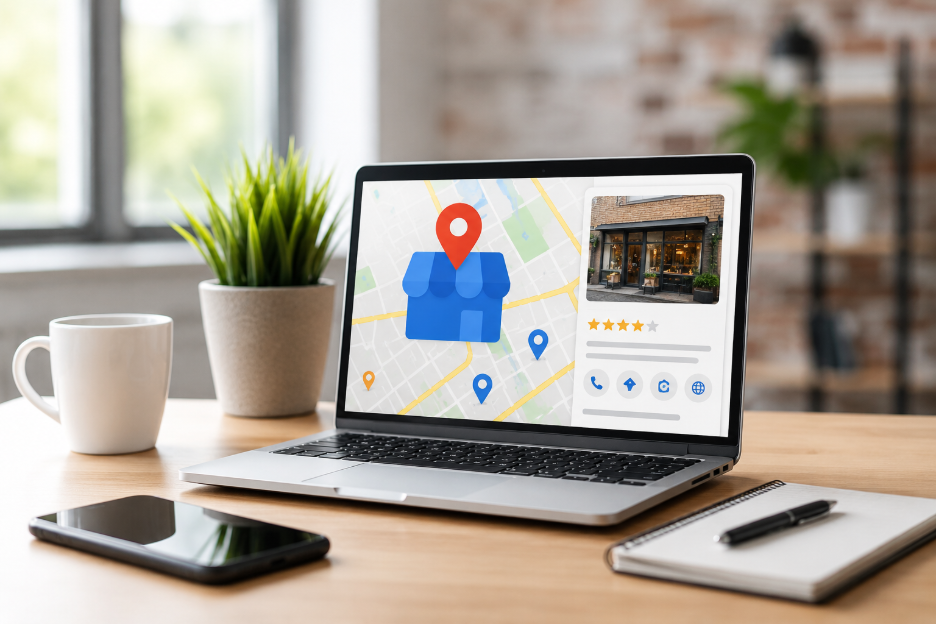
Schema markup is structured data added to a website to help search engines understand content. Local structured data highlights critical information about your business, such as:
- Name, address, and phone number (NAP)
- Hours of operation
- Customer reviews and ratings
- Service areas
Using schema markup increases the likelihood of appearing in local search features, such as Google Maps, rich snippets, and the local pack.
5. XML Sitemaps
An XML sitemap serves as a roadmap for search engines, indicating which pages are most important.
Tips for XML sitemaps:
- Include canonical URLs only
- Keep the sitemap updated as you add or remove pages
- Submit it to Google Search Console
- Avoid including noindex or duplicate pages
Sitemaps are essential for ensuring that search engines index your site efficiently.
6. Technical Errors
Technical errors can prevent search engines from indexing your website correctly or delivering a smooth user experience. Common technical issues include:
- Broken links and 404 errors
- Duplicate content
- Missing meta tags or title tags
- Slow-loading pages

Optimizing these metrics ensures a smooth and reliable user experience, which positively impacts both rankings and visitor satisfaction.
Benefits of Technical SEO for Local Businesses
Even small local businesses can gain significant advantages from technical SEO:
- Improved visibility: Ensures all pages are crawled and indexed
- Better user experience: Fast, mobile-friendly, and well-structured sites retain visitors longer
- Enhanced local SEO performance: Structured data helps businesses appear in Google Maps and local packs
- Reduced technical issues: Regular audits prevent penalties and ranking drops
How Soundup Marketing Supports Technical SEO
For local businesses that are unfamiliar with technical SEO, Soundup Marketing offers clear, practical solutions. Their services include:
- Comprehensive technical site audits
- Mobile optimization and site speed improvements
- Schema markup implementation and local structured data
- Fixing technical errors that may affect rankings
By working with Soundup Marketing, local businesses can ensure their websites are fully optimized for both search engines and users. Learn more about their Long sland SEO services.
Conclusion
Technical SEO is a critical element for any local business that wants to maintain a strong online presence. By focusing on site speed, crawlability, mobile optimization, schema markup, and other technical factors, businesses can enhance search engine visibility, provide a better user experience, and attract more customers.
Partnering with experienced professionals like Soundup Marketing can simplify this process, ensuring your website meets technical standards and performs effectively in local search results. For more information get in touch with Soundup Marketing
FAQs About Technical SEO
What is technical SEO and do I need it?
Technical SEO ensures your website’s structure allows search engines to crawl, index, and rank pages effectively. Local businesses benefit from technical SEO to improve visibility.
How long does technical SEO take to show results?
Improvements in site performance may be visible within weeks, but full ranking benefits may take several months, depending on the scope of optimization.
Can I do technical SEO myself?
Business owners can implement basic fixes like checking site speed or submitting sitemaps. Professional help is recommended for advanced tasks like schema markup and Core Web Vitals optimization.
Does technical SEO affect local search rankings?
Yes. Technical SEO, especially structured data and mobile optimization, enhances local visibility, including Google Maps and rich snippets.
How often should I audit my website for technical SEO?
At least twice a year or whenever significant changes are made. Continuous monitoring ensures issues are addressed promptly.
Ready to turn the
#SoundUP?
Let's connect! We’re here to help.
Send us a message and we’ll be in touch.
Or give us a call today at 631-919-7441
Agency Contact Form
More Marketing Tips, Tricks & Tools