Signs Your Website Needs a Redesign (And What to Do About It)
Your website is often the first place people go to learn about your business. If it looks outdated, loads slowly, or feels difficult to use, visitors may leave before they understand what you offer. Working with a website design company in Long Island can help identify areas that need attention and make your site easier for visitors to navigate.
A website does not need a complete makeover every year. However, changes in technology, customer expectations, search behavior, and business goals can make an older website less effective over time. Knowing the warning signs can help you decide whether your website needs small updates or a more complete redesign.
1. Your Website Looks Outdated
Design trends change, and visitors notice when a website feels several years behind current standards. Old layouts, crowded pages, small text, outdated images, or too many design elements can make a business appear less current. A modern website does not have to follow every new trend. Instead, it should have a clean structure, readable content, consistent branding, and an easy path for visitors to find important information.
What to check
Look at your homepage from the perspective of someone visiting for the first time. Ask yourself:
- Is the main message clear?
- Does the design feel current?
- Are the fonts easy to read?
- Are images high quality?
- Is there enough space between sections?
- Does the site look professional on different screen sizes?
2. Your Website Is Difficult to Use on Mobile
A large number of people browse websites using smartphones. A site that works well on a desktop but is difficult to use on a phone can create a poor experience. Visitors should not have to zoom in to read text, scroll sideways to see information, or repeatedly tap a button because it is too small. Menus should also be simple enough to use on smaller screens.
Responsive design helps a website adjust to different screen sizes. This includes smartphones, tablets, laptops, and desktop computers.Test your website on several devices. Pay attention to navigation, forms, images, buttons, and page spacing. Small mobile problems can have a noticeable effect on how people interact with your site.
3. Pages Take Too Long to Load
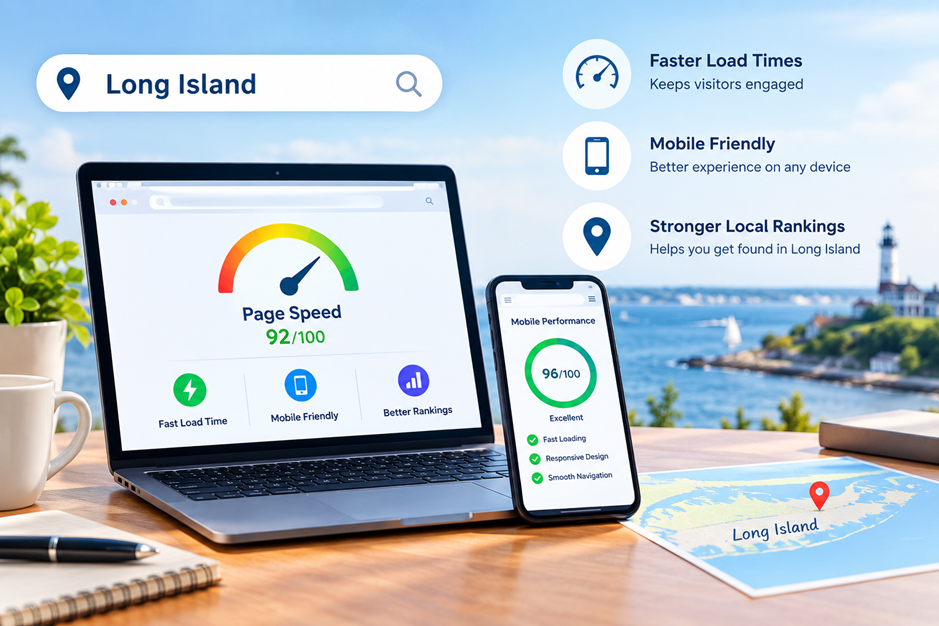
Speed is another important part of website usability. People are less likely to wait around for a page that takes too long to appear. Slow performance can happen for several reasons. Large image files, unnecessary scripts, outdated plugins, complicated page layouts, and poor hosting can all contribute to slower loading times.
Improving speed may not always require a complete redesign. Compressing images, removing unused elements, updating technology, and improving the site's structure may solve some problems. If your site has several performance issues, however, a redesign can provide an opportunity to build a cleaner and more efficient foundation.
4. Visitors Cannot Find Information Easily
A website can contain useful information and still be difficult to use. When pages are poorly organized, visitors may struggle to find services, contact details, pricing information, or answers to common questions.
Navigation should help people understand where they are and where they can go next. Main services should be easy to locate, while important pages should not be buried several clicks deep.
Review your website structure
Create a simple list of your main pages and check how they connect. Your navigation might include:
- Home
- About
- Services
- Service-specific pages
- Blog or resources
- Contact
5. Your Content No Longer Matches Your Business
Businesses change. Services are added, old services are removed, locations change, and target customers may evolve. Your website should reflect those changes. Outdated service descriptions can confuse visitors and create inaccurate expectations. Old team information, expired offers, incorrect contact details, and references to services you no longer provide can also reduce trust.
Review your website content regularly. Check your service pages, contact information, company details, images, calls to action, and frequently asked questions. A redesign can also be a good time to reorganize content so that each page has a clear purpose.
6. Your Website Does Not Support Your SEO Goals
Search engine optimization is not only about adding keywords to your pages. Website structure, loading speed, mobile usability, internal links, headings, content quality, and technical performance all influence how easily search engines can understand and index a site. If you are wondering when to redesign a website, low organic traffic can be one reason to review its structure. A website may have useful content, but poor organization or outdated technical elements can make it harder for both visitors and search engines to find and understand that content.
During a redesign, review page titles, heading structures, URLs, image descriptions, internal links, and content organization. Avoid changing URLs without a clear plan, as unnecessary changes can lead to broken links and lost search visibility.
7. Your Contact Forms Are Not Working Well
Contact forms are often an important part of a business website. If a form is too long, confusing, difficult to use on mobile, or unreliable, potential customers may give up. A simple form usually works better than one that asks for unnecessary information. Only request details that are genuinely needed at the first stage.
Test every form regularly. Make sure submissions reach the correct email address or system and that visitors receive a clear confirmation after submitting their information. Other contact options, such as a phone number or email address, should also be easy to find.
8. Your Branding Looks Inconsistent
A website should feel connected to the rest of a business's branding. Different fonts, colors, image styles, or logos across pages can make the site feel unfinished. This does not mean every page needs to look exactly the same. Instead, common visual elements should create consistency.
Review your logo placement, typography, colors, buttons, images, headings, and page layouts. If your branding has changed since the website was built, updating the design can help create a more consistent online presence.
9. Your Website Is Not Producing Useful Results
A website can look attractive and still fail to support business goals. Before deciding on a redesign, look at available data.
Depending on your setup, useful metrics may include:
- Organic search traffic
- Traffic sources
- Popular pages
- Exit rates
- Form submissions
- Phone calls
- Engagement
- Conversion rates
Analytics should be considered alongside customer feedback. If visitors repeatedly ask questions that your website should already answer, that is useful information. Sound UP Marketing focuses on practical website improvements that address real user needs. The goal is not simply to make the website look better, but to solve specific problems and make the site more useful for its intended audience.
What Should You Do Before Redesigning?
A redesign should start with research rather than immediately changing colors, fonts, or images. Begin by listing the problems you want to solve. Review analytics, examine your current content, test the site on mobile devices, and identify pages that perform well or poorly. Next, decide what should stay, what should be updated, and what should be removed. Not every existing page needs to be rebuilt.
Set clear redesign goals
Your goals could include:
- Improving mobile usability
- Making navigation simpler
- Increasing page speed
- Updating outdated content
- Strengthening website structure
- Making forms easier to complete
- Supporting SEO improvements
- Creating a more consistent visual experience
When Should You Consider Professional Help?
Some website issues can be fixed with routine updates, while others need deeper structural changes. A website design company in Long Island can review your site's design, content, mobile performance, and user experience to identify areas for improvement. A redesign should not happen just because a website looks old. It should address real problems, visitor behavior, business needs, and clear goals.
Final Thoughts
Your website should help visitors understand your business, find information, and take the next step with ease. Slow pages, outdated content, confusing navigation, and poor mobile performance may show that updates are needed. A redesign does not mean changing everything at once. Start by identifying the main issues, reviewing website data, and focusing on changes that improve usability and clarity. If your website needs improvement, Contact us today to explore practical ways to create a smoother and more useful experience for your visitors.
Frequently Asked Questions
1. How often should a business redesign its website?
There is no fixed schedule for redesigning a website. A site may need attention when its design, technology, content, mobile experience, or performance no longer meets the needs of visitors or the business.
2. Is a slow website always a sign that it needs a redesign?
Not necessarily. Slow performance can sometimes be improved through image compression, code optimization, hosting changes, or removing unnecessary features. A larger redesign may be appropriate when performance problems are connected to the site's overall structure.
3. Can redesigning a website hurt SEO?
It can if important pages, URLs, content, redirects, or internal links are changed without proper planning. A carefully managed redesign should preserve valuable SEO elements while improving the site's structure and user experience.
4. Should all website pages be redesigned?
No. Some pages may already perform well and only need minor updates. Reviewing analytics and page performance can help determine which pages require major changes and which can remain largely unchanged.
5. What is the first step in planning a website redesign?
Start by identifying the problems with the current website. Review user feedback, analytics, mobile usability, page speed, content, navigation, and business goals before deciding what changes are necessary.
Ready to turn the
#SoundUP?
Let's connect! We’re here to help.
Send us a message and we’ll be in touch.
Or give us a call today at 631-919-7441
Agency Contact Form
More Marketing Tips, Tricks & Tools