Why Customer Reviews Are Your Local SEO Superpower (and How to Get More)
Local businesses looking to increase leads and credibility often overlook one of their most powerful assets: customer reviews. Far beyond a mere endorsement, online reviews function as a core local SEO signal influencing search engine ranking, guiding potential customers, and reinforcing trust and social proof. In this article, we explore how reviews affect visibility, why they matter, and practical strategies for generating authentic feedback. Along the way, we refer to credible practices and resources, such as those found at Sound UP Marketing, to show how structured review and reputation efforts can enhance local SEO outcomes.
How Customer Reviews Influence Local SEO
Do Online Reviews Help Local SEO?
Yes online reviews significantly impact local search rankings. Modern search engines view reviews as more than feedback: they give them weight as authenticity and quality indicators. The frequency, recency, and content of reviews can influence how a business appears in local search results.
In particular, reviews contribute to several ranking signals:
- Trust signals: Positive feedback signals to search engines and potential customers that the business is legitimate and dependable.
- Social proof: Multiple, honest reviews from different customers show consistent experience, increasing confidence in new clients.
- Content relevance: Review text often includes keywords related to services or location, which search engines may index — supporting SEO efforts passively.
- User engagement signals: Search engines track user interactions (clicks, calls, direction requests), and high-quality reviews can increase these actions.
The Role of Reputation Management in Local SEO
Reputation management refers to how a business monitors, curates, and responds to customer feedback across platforms. Done correctly, it supports local SEO and builds a resilient brand presence online. Key aspects include:
- Review monitoring: Regularly checking your business profile and other directories for new reviews — both positive and negative.
- Timely response: Responding to reviews shows engagement and care for customers. This can influence how search engines and users perceive your business.
- Addressing negative feedback: Constructive responses to criticism demonstrate accountability and willingness to improve — which can build long-term trust even with negative reviews.
- Encouraging genuine reviews: Authentic, unsolicited reviews carry more weight than incentivised or fake testimonials.
By applying reputation management consistently, businesses strengthen credibility and improve signals that local search algorithms favour.
GBP Review Tips for Local Businesses
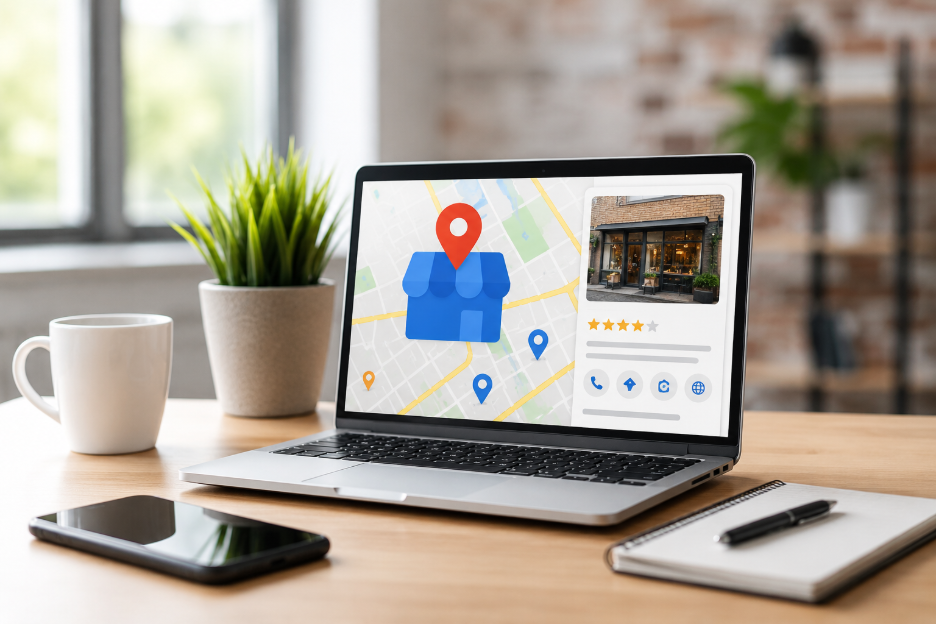
Managing reviews through your Google Business Profile (GBP) is central to effective local SEO. Below are actionable GBP review tips that help maximize the value of reviews:
- Ensure accurate and consistent business information (NAP). Name, address, and phone number must match across GBP and other directories. Inconsistencies can undermine SEO benefits.
- Encourage reviews naturally. Request feedback from satisfied customers soon after a positive experience — when satisfaction is fresh.
- Avoid incentivised reviews. Offering discounts or rewards for reviews can lead to low-value or non-authentic feedback, which search engines may devalue.
- Respond to reviews promptly. Thank customers for positive reviews and address concerns in negative ones with empathy and solutions.
- Maintain privacy and compliance. Respect customer privacy and avoid sharing personal data when responding publicly.
These steps improve not only reputation but also the likelihood that reviews will positively influence local search visibility.
Prioritizing Organic Reviews Over Testimonials
There is a clear distinction between organic reviews and curated testimonials. While testimonials are often crafted or selected, organic reviews come directly from real customers without scripting or editing. Their value lies in authenticity.
Search engines and users tend to trust organic reviews more because they reflect unfiltered customer experiences. For long-term credibility and sustainable local SEO, building a portfolio of organic customer feedback is far more effective than relying heavily on self-published testimonials.
That said, curated testimonials can still serve on your website or marketing materials as an additional layer but they should supplement, not replace, real customer reviews.

Where to Learn More and Implement Review Best Practices
For businesses seeking deeper guidance on integrating reviews into local SEO and reputation efforts, resources such as Soundup Marketing offer services and insights on review generation, reputation management, and local SEO optimization. Embedding review strategies into your business operations and combining them with on‑page SEO, accurate GBP setup, and customer service excellence creates a complete framework for sustained growth and visibility.
Conclusion
For local businesses aiming to grow leads and credibility, customer reviews are more than just feedback — they are a local SEO superpower. By focusing on organic reviews, applying structured reputation management, and using strategic GBP review tips, businesses can enhance search visibility, strengthen trust signals, and attract more customers. While external services and tools can support these efforts, consistency and authenticity remain the foundation for long-term success.
With thoughtful implementation, local businesses can transform simple customer feedback into a steady engine for visibility, trust, and sustainable growth. Get in touch with Sound UP Marketing today to start building a stronger online reputation and maximize your local SEO potential.
FAQ Section
Do online reviews help local SEO?
Yes. Online reviews act as trust signals, content signals, and social proof — all of which contribute to better visibility in local search results.
Should businesses prioritise quantity or quality of reviews?
Quality and authenticity are more important than sheer volume. A reasonable number of honest reviews from genuine customers builds better trust and signals than many vague or incentivised reviews.
How often should a business ask for reviews?
Ask after each positive customer interaction — ideally within 24–48 hours. Over time, consistent requests (without being pushy) yield a steady stream of reviews.
Are reviews on multiple platforms necessary?
Yes, having reviews on several credible platforms (e.g., Google Business Profile and relevant directories) helps diversify trust signals and reduces dependency on a single source.
What if my business receives a negative review?
Respond politely and professionally. Acknowledge the feedback, apologise if appropriate, offer a remedy, and show willingness to improve. This transparency often matters more than a perfect review record.
Ready to turn the
#SoundUP?
Let's connect! We’re here to help.
Send us a message and we’ll be in touch.
Or give us a call today at 631-919-7441
Agency Contact Form
More Marketing Tips, Tricks & Tools