Mobile‑First Web Design: Why It Matters
In today’s digital landscape, a website is more than a business card, it is a sales tool, a marketing platform, and often the first impression potential customers have of your brand. For business owners with outdated sites, adopting a mobile-first web design strategy is no longer optional. The way a website functions on mobile devices directly impacts engagement, search engine visibility, and conversions.
In this guide, we will answer why is mobile responsive design important?, explore the benefits of mobile UX, analyze the role of page speed, and explain how SEO mobile-first strategies connect UX SEO conversions
What Is Mobile First Web Design?
Mobile-first web design is an approach where designers start the website development process focusing on mobile users before scaling up to desktop devices. Historically, websites were designed for desktop first, with mobile versions being secondary. Today, mobile-first is the standard because over 60% of web traffic comes from mobile devices.
Key Features of Mobile-First Design
- Prioritized content – The most important content is presented first.
- Touch-friendly navigation – Buttons and menus are easy to tap.
- Optimized visuals – Images and videos are compressed for faster loading.
- Adaptive layouts – Flexible grids and media queries allow seamless display across devices.
By designing for mobile first, businesses ensure every user enjoys a smooth experience, regardless of device. This foundation is critical for business owners with outdated sites looking to modernize.
Why Is Mobile Responsive Design Important?
Understanding why mobile responsive design is important is essential for any business aiming to thrive online. Mobile responsiveness affects user experience, SEO, and conversion rates.
1. Enhanced Mobile UX
Mobile UX focuses on how users interact with your website on smartphones or tablets. Elements like readable fonts, easy-to-tap buttons, and intuitive menus significantly improve engagement.
2. Faster Page Speed
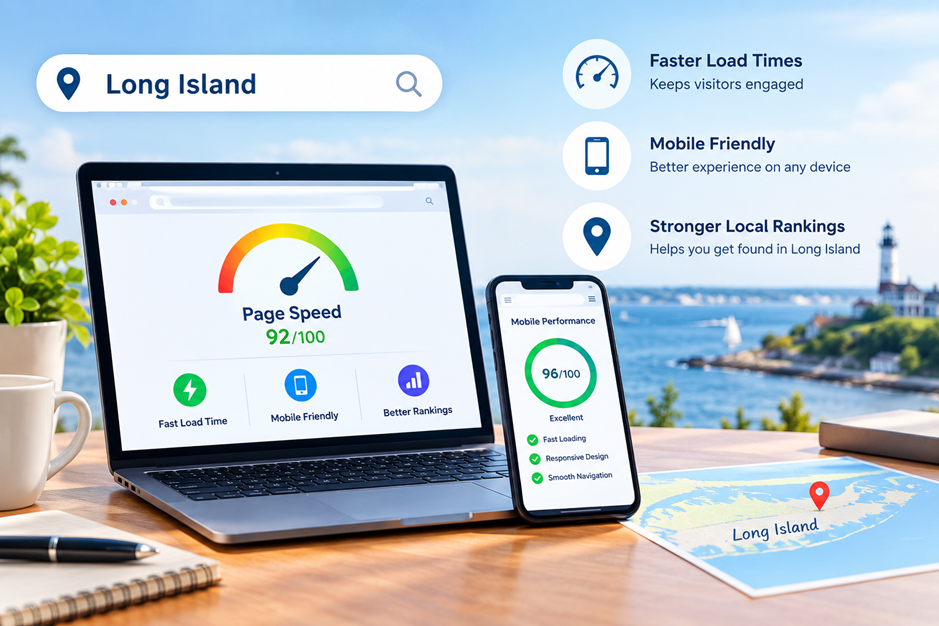
Page speed is a critical factor for user retention. Slow-loading mobile pages frustrate users, increasing bounce rates. Mobile-first design emphasizes optimized images, lazy loading, and minimal scripts, leading to faster pages and happier users.
3. SEO Mobile-First Advantages
Google has moved to mobile-first indexing, meaning it prioritizes the mobile version of a website when determining search rankings. Websites that are not mobile-friendly risk losing search visibility. A responsive, mobile-optimized site helps improve rankings, increases organic traffic, and ensures your content reaches the right audience.
4. Increased Conversions
A seamless mobile experience directly correlates with conversions. When users can navigate easily, load pages quickly, and interact with content effortlessly, they are more likely to complete purchases, fill out forms, or sign up for services.
Sound up Marketing emphasizes the link between UX and business outcomes. Mobile-first design connects UX SEO conversions, turning visitors into customers.

Deep Dive into Mobile UX
Mobile UX is not just about design, it is about functionality, accessibility, and engagement. Businesses must consider the following:
- Readable text without zooming
- Optimized images and videos for small screens
- Simple navigation menus for fast access to content
- Accessible forms for mobile data entry
UX Best Practices
- Single-column layouts: Focus content vertically to avoid horizontal scrolling.
- Touch-friendly buttons: Ensure clickable elements are at least 48px by 48px.
- Minimal pop-ups: Avoid intrusive elements that disrupt the user experience.
- Clear call-to-actions (CTAs): Make it obvious what the next step should be, for example, "Book Now" or "Sign Up."
How Mobile-First Design Improves SEO
Google’s mobile-first indexing means your site’s mobile version determines your search rankings. A mobile-optimized site is critical for:
- Higher visibility in search results
- Reduced bounce rates
- Improved local SEO because mobile users often search for nearby services
- Better crawl efficiency since responsive sites are easier for search engines to index
Optimizing your website for mobile ensures Google can index your content effectively, and your audience can access information without frustration.
Common Mobile Design Mistakes to Avoid
Even businesses that implement mobile-first strategies can make errors that hurt performance:
- Overcrowded pages: Too much content overwhelms users.
- Unoptimized images: Large files slow down page speed.
- Tiny buttons or links: Frustrates users trying to interact on mobile.
- Ignoring mobile SEO: Metadata, structured data, and schema are often overlooked.
- Neglecting testing: Sites may work on one device but fail on others.
Avoiding these mistakes ensures the full benefits of mobile-first design, from better UX to improved conversions.
Step-by-Step Guide for Business Owners with Outdated Sites
Transitioning to mobile-first design can be overwhelming. Here is a structured approach:
- Site Audit: Identify slow pages, poor UX, and non-responsive elements.
- Mobile Layout First: Start designing with mobile screens in mind.
- Optimize Page Speed: Compress images, minimize scripts, and implement caching.
- Apply Responsive Design: Use flexible grids, media queries, and mobile-first CSS.
- Test Across Devices: Ensure functionality across smartphones, tablets, and desktops.
- Monitor SEO Metrics: Track mobile traffic, rankings, bounce rates, and conversions.
- Iterate: Continuously improve based on analytics and user feedback.
For guidance, Sound up Marketing provides resources and strategies for implementing these steps effectively.
Mobile-First Design Connects UX → SEO → Conversions
Mobile-first design creates a powerful loop:
- Better UX: Users stay longer and explore more content.
- SEO benefits: Search engines reward fast, mobile-friendly sites.
- Higher conversions: Engagement translates into leads and sales.
When businesses align mobile-first design with SEO and user experience, they create a website that drives measurable growth.
Additional Benefits of Mobile-First Design
- Brand Credibility: Modern, mobile-optimized websites build trust.
- Competitive Advantage: Many businesses still operate on outdated sites.
- Future-Proofing: As mobile usage grows, responsive sites remain relevant.
- Accessibility: Mobile-first design often improves accessibility for all users.
By investing in mobile-first web design, companies position themselves for long-term success.
Conclusion
For business owners with outdated sites, mobile-first web design is essential. By focusing on why mobile responsive design is important, improving mobile UX, optimizing page speed, and implementing SEO mobile-first strategies, businesses can increase engagement, visibility, and conversions.
Getting in touch with Sound up Marketing emphasizes integrating design, UX, and SEO, helping businesses transform their websites into powerful growth tools. Investing in mobile-first design is investing in your business’s future.
Frequently Asked Questions (FAQ)
Q1: Why is mobile responsive design important for my business?
A1: Mobile responsive design improves UX, boosts SEO, increases page speed, and enhances conversions by providing a seamless experience across devices.
Q2: How does mobile UX affect SEO?
A2: Google prioritizes mobile-first indexing. Good mobile UX leads to higher rankings, lower bounce rates, and more organic traffic.
Q3: Can an old desktop site be made mobile-friendly?
A3: Yes, through redesigning with mobile-first principles, optimizing images, and implementing responsive layouts. Soundup Marketing can guide this process.
Q4: How does page speed influence conversions?
A4: Faster pages reduce bounce rates, keep visitors engaged, and increase the likelihood of completing purchases or submitting forms.
Q5: Where can I learn more about mobile UX and SEO?
A5: Resources like Soundup Marketing provide insights and strategies for mobile-first design and digital marketing.
Ready to turn the
#SoundUP?
Let's connect! We’re here to help.
Send us a message and we’ll be in touch.
Or give us a call today at 631-919-7441
Agency Contact Form
More Marketing Tips, Tricks & Tools